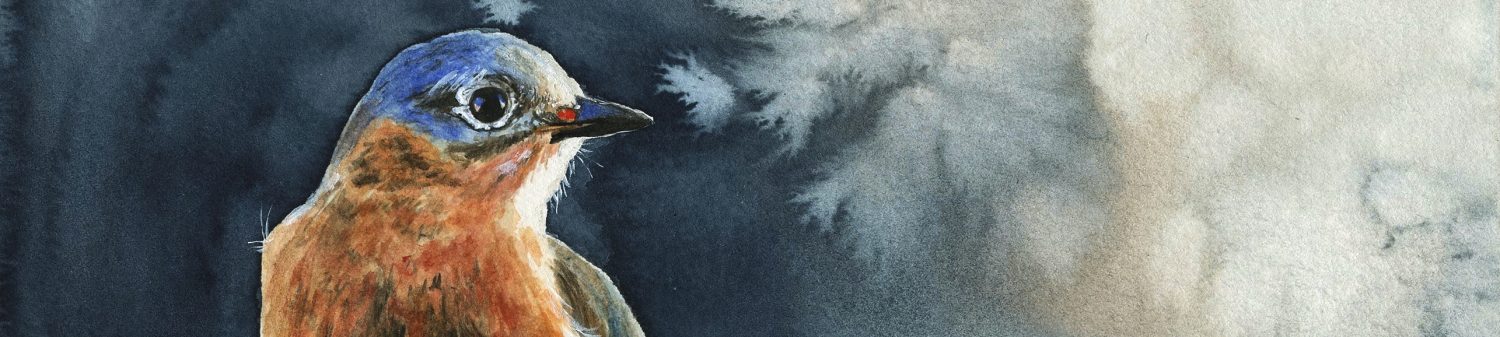
In the spring of 2022, I decided to take a few of my traditional paintings that didn’t meet my expectations and change them digitally. I did not have high hopes in the result simply because there was extreme reluctancy in this process. I told myself this was acceptable since it was not fully digital, and it was only to improve my existing paintings, not create new ones.
This was my first digital fix on a watercolor painting from May 7th:
Lone Red Canoe
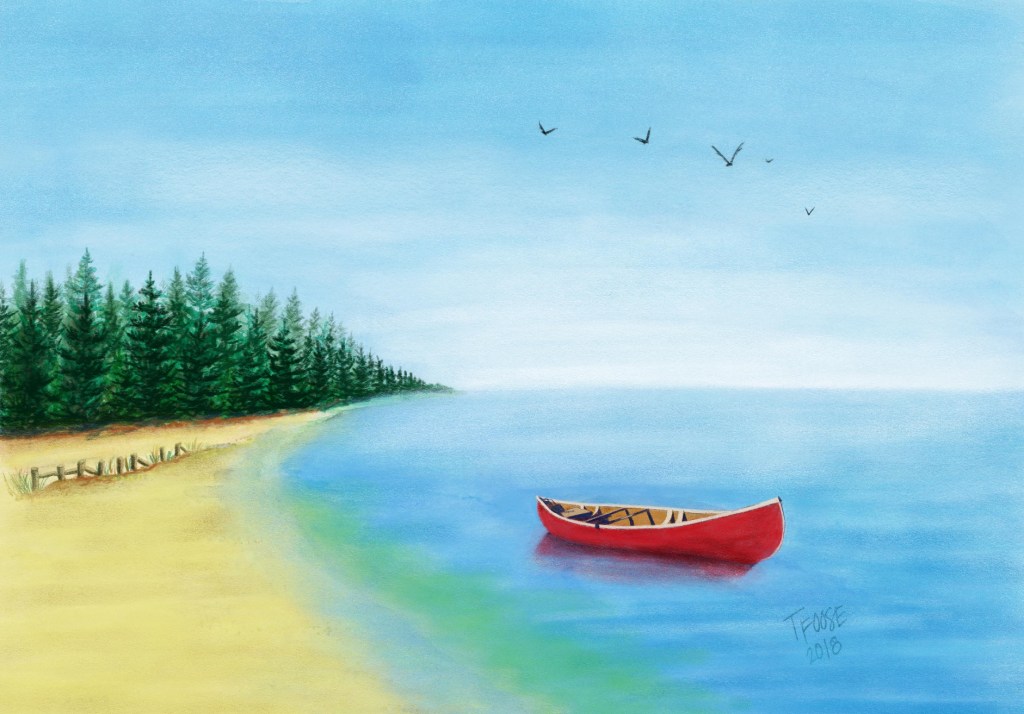
You can find the painting here.
To my complete surprise, it turned out better than I expected. And I enjoyed the feeling I got when I fixed these traditional paintings. It energized me. It awakened something inside me. It encouraged me to do more. I began fixing more and more paintings. I decided this was still okay because I was simply enhancing my traditional skills.
I was in denial though and secretly eager to do more.
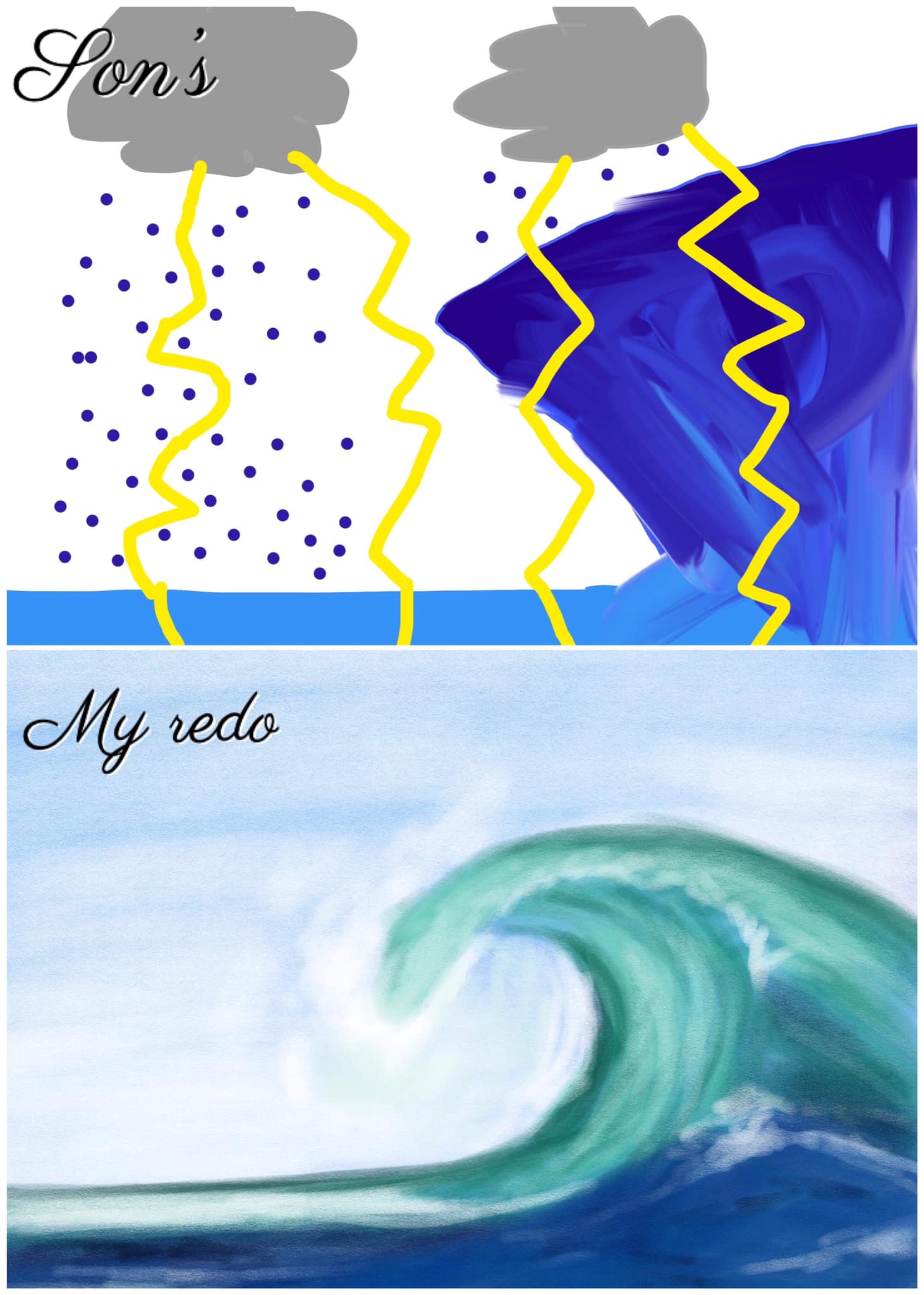
A few weeks later (May 23rd) my sons asked me to redo one of their digital paintings. This is what began the slippery slope—ha!! And how can you turn down a challenge?
Below are two of them:
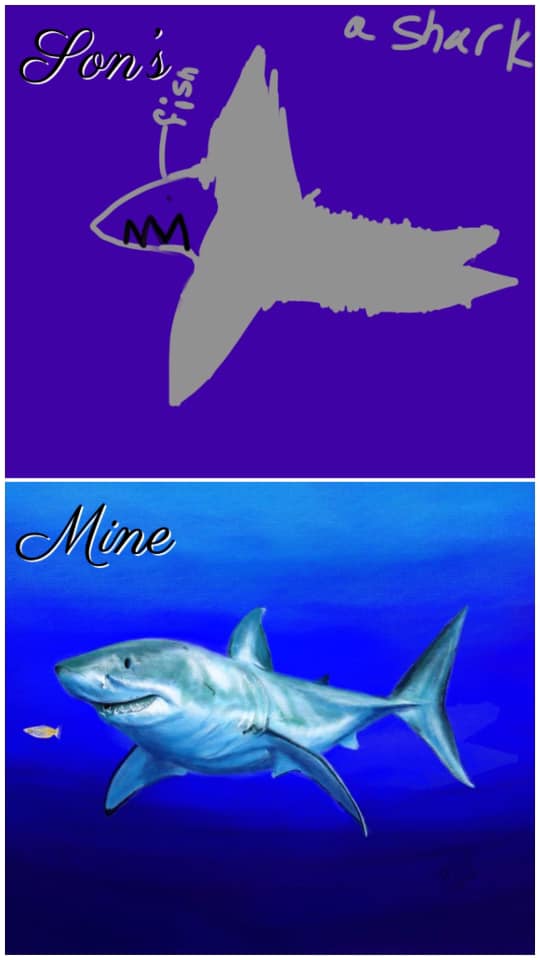
You can view the shark here.
It wasn’t long before I opened up a blank white canvas and attempted my first entirely digital painting.
Doe at Dusk
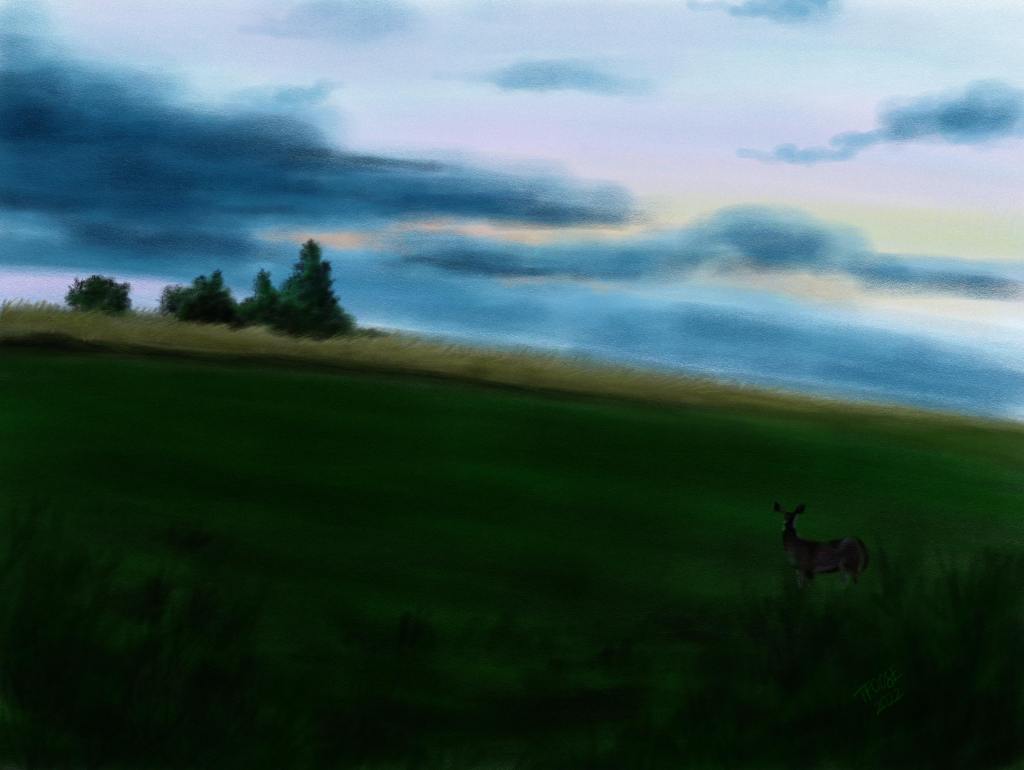
You can view and purchase the painting here.
Up until this point, I was convinced that digital painting was in some way dishonest or misleading. In my head I was somehow cheating on my traditional art skills. It felt like I was going against the natural bent inside of me. I was a traditional artist—primarily a watercolorist – and that’s it. Traditional art is what makes me who I am as an artist. I don’t do digital.
Except that………………I really, really enjoyed it……………and I was getting good at it!
What was I supposed to do with this?
Likely you find my perspective bizarre and flawed but regardless there was an unbelievable conflict inside of me. One that I would later come to terms with.
In addition, my digital paintings were not well-received initially which seemed to confirm my unique perspective and drive the internal war deeper. Perhaps part of it is that when you mention digital others tend to think the computer does all the work. That there is no skill involved. (I think cameras initially did the same thing to traditional art as well.) But I assure you, it can actually take longer for me to a digital painting than a traditional one. And because of this unfamiliarity, I began recording some of my work so others could see the process of my paintings. I felt like it validated me as well.
One day—after I had completed a few all-digital paintings, my mom said something that stuck in my head and seemed to satisfy the quandary. She said, “You’re still painting; it’s just a different medium.”
Yes—that was it! That’s all I needed to hear to settle the dilemma!
Here are a few of my favorite digital paintings:
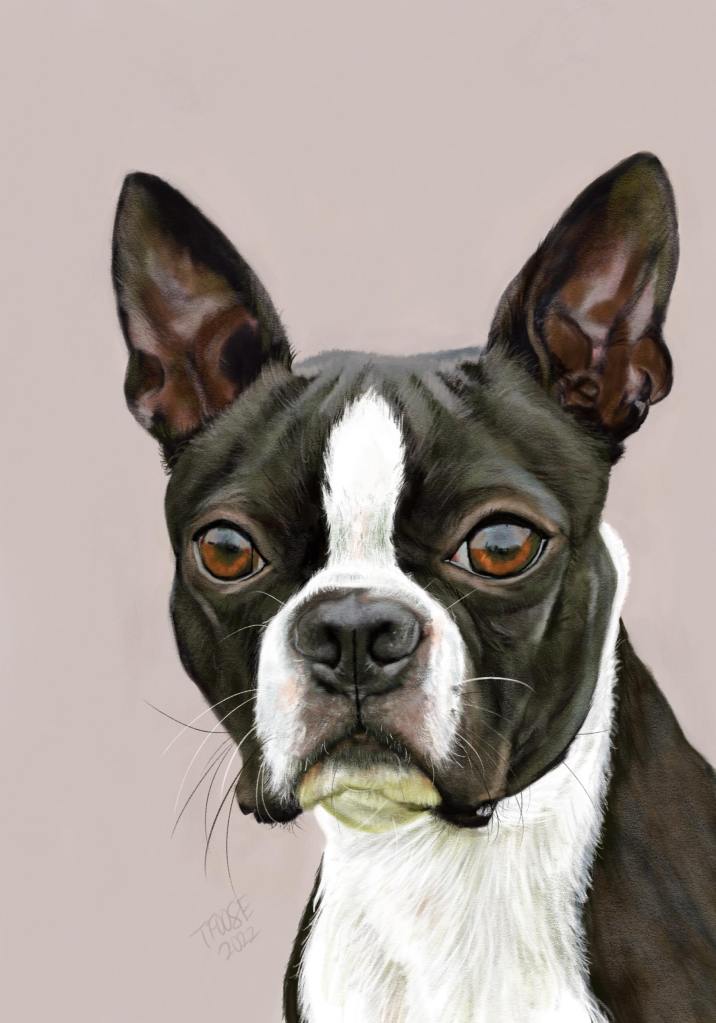
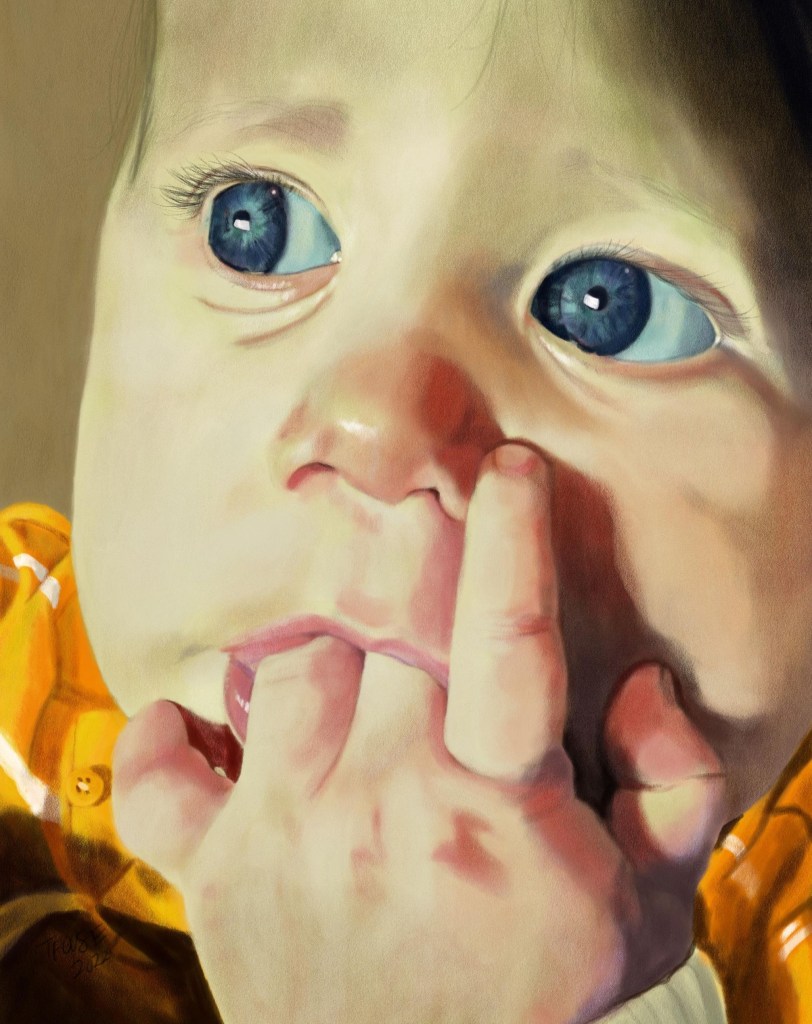
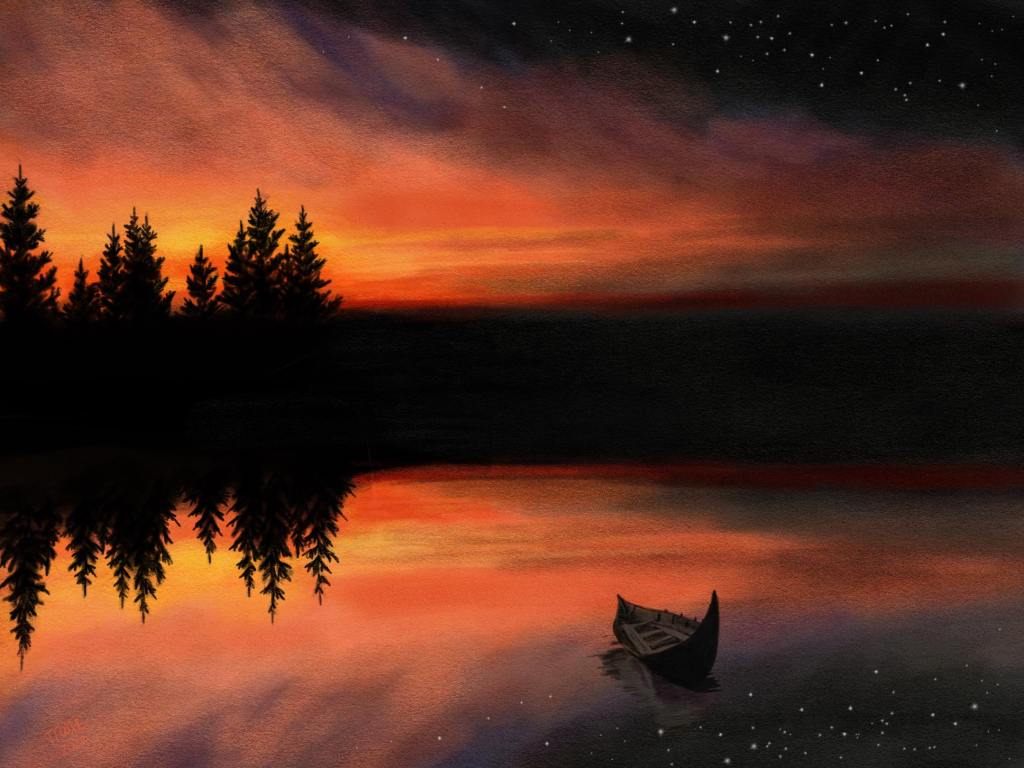
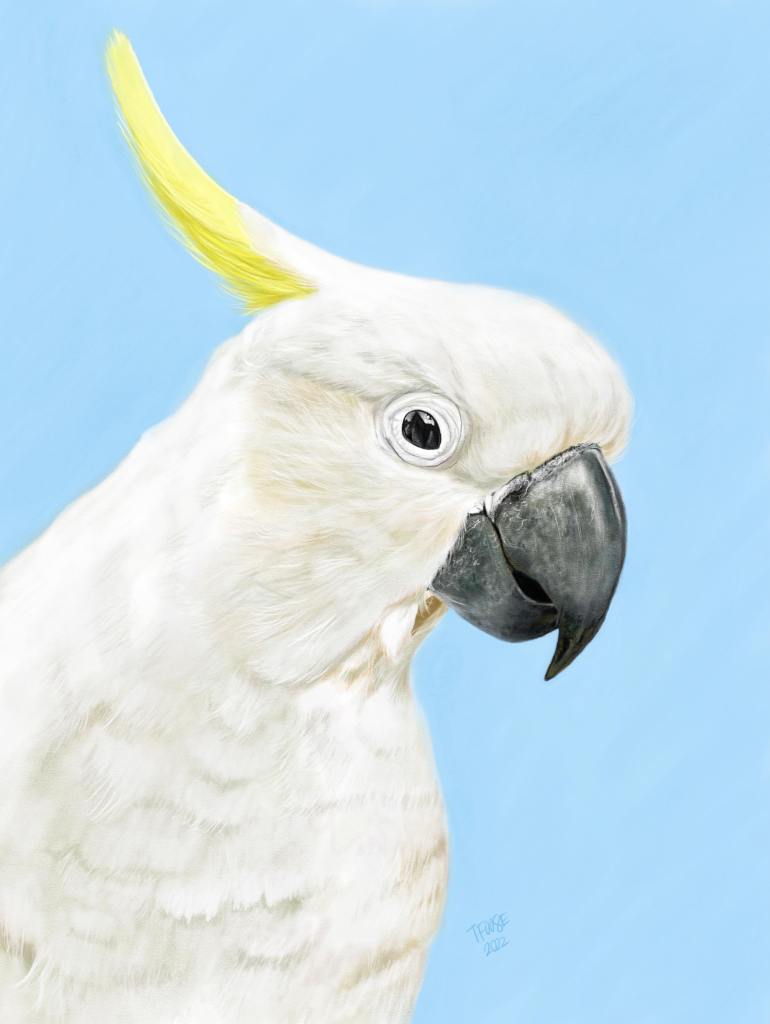
You can view and purchase these paintings here: Boston Terrier, Baby Boy, Water Sunset, Cockatoo.
I still repaint some of my digital paintings, but I especially enjoy starting from scratch. At this point (December 2022) I am probably a 50% digital painter and 50% traditional.
Now, I will clarify that I do not do Artificial Intelligence or any kind of computer-generated images. They are all either my own traditional paintings or photographs that I have digitally recreated or a digital painting that I began from a blank canvas and worked up like I would a traditional painting.
My advice: Never put yourself in a box. It limits your potential.
 Taphath Foose, Artist